Named after the historical Capitol Theatre that once stood tall along Escolta.
A student activist, the most beautiful girl in the universe (Miss Spain, Miss Universe), and the last Japanese World War 2 soldier converge in this funky historical fiction set 2 years after Martial Law is declared in Manila.
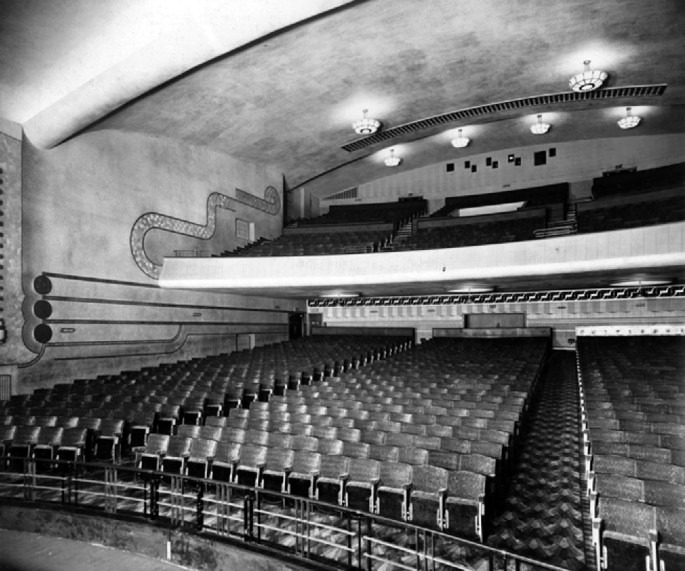
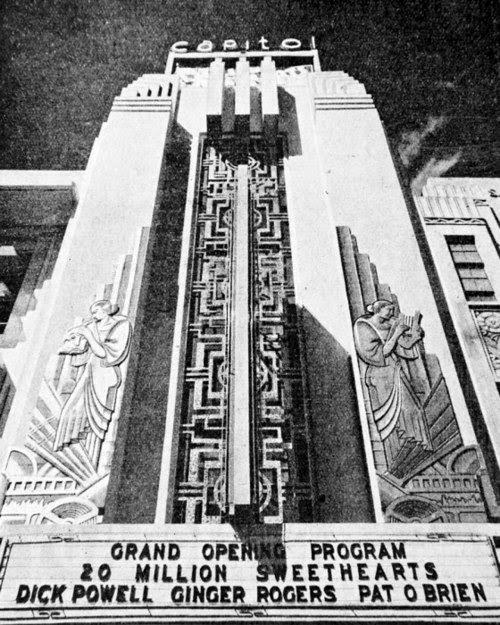
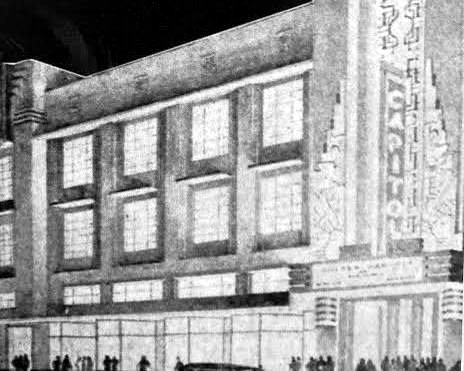
Juan Nakpil’s Art Deco picture palace opens at 250 Escolta, with Francesco Riccardo Monti’s muses at the door and a rare double balcony inside.
Sampaguita Pictures (1937) and LVN Pictures (1938) are founded — the studios that would shape Filipino filmmaking for decades. Talking pictures in Tagalog find a mass audience, and palaces like the Capitol give them a stage.
The Japanese invasion halts the young studio era. By 1945 the Battle of Manila has left much of the city in ruins.
Sampaguita, LVN and their rivals rebuild and reach their height: the first golden age of Philippine cinema, built on the audience the picture palaces of the 1930s created.
A new generation of filmmakers brings Manila’s streets to the screen, ushering in the second golden age of Philippine cinema.
Manila under martial law. This is the city and the year where Manila 1974 takes place.
Construction of the LRT and new air-conditioned mall cinemas draw moviegoers away from the grand old theaters downtown.
The building is torn down to make way for a high-rise. Its story is still ours to tell.
Our company takes the Capitol’s name and brings it back to Philippine cinema.
Manila 1974 enters pre-production.
The first Capitol Theatre Pictures feature, coming to cinemas in 2028.
On 8 January 1935 the Capitol Theatre opened at 250 Escolta — then Manila's grandest commercial street. Its architect, Juan F. Nakpil, later named a National Artist, gave it a sleek Art Deco tower and an air-conditioned interior with a double balcony, a rare feat for the time.
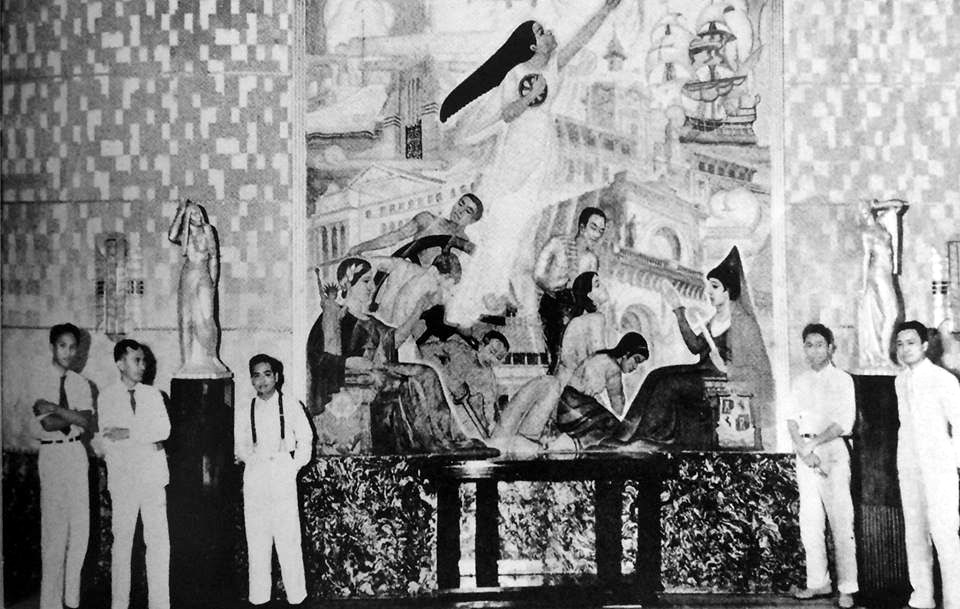
Two muses in traje de mestiza, carved by the Italian sculptor Francesco Riccardo Monti, flanked the tower — one holding a mask, one a lyre. Inside, sampaguita flowers wound through the ironwork and the proscenium, and the lobby carried Rising Philippines, a mural by the modernists Victorio Edades, Carlos “Botong” Francisco and Galo Ocampo.
The Capitol opened just as talking pictures were changing Philippine film. Within a few years, Sampaguita Pictures and LVN Pictures were making Tagalog films for a mass audience, and palaces like the Capitol turned an evening at the pictures into an event. The moviegoing habit they built carried Filipino cinema, after the war, into its first golden age in the 1950s.
It was a Filipino building, made by Filipino hands, for a Filipino audience. That is the house our company is named for.


The Capitol was founded by Don Antonio Tuason, whose family brought it to Escolta through their Eastern Theatrical Company. It was his son, Nicasio Tuason, who ran the house day to day as its general manager: booking the pictures, filling the balconies and keeping the lights on. The Hollywood trade papers of the 1930s knew him simply as “Nick Tuason” of the Capitol, staging stunts across Manila to sell his pictures.
Today Nicasio's great-grandson, Joey Tuason, runs Capitol Theatre Pictures. The marquee is ours again, and so is the job of filling it.


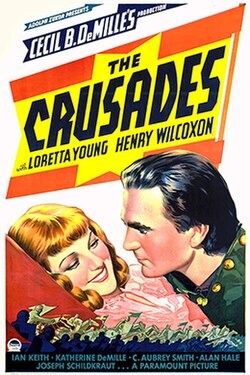
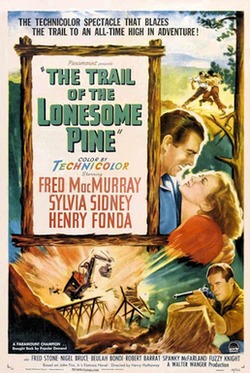
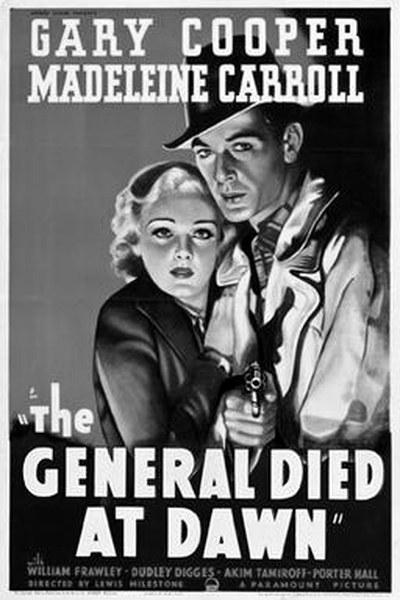
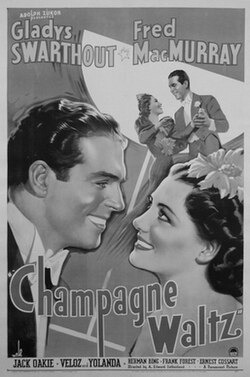
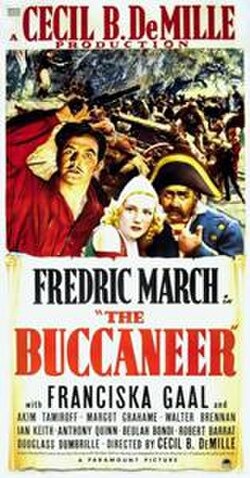
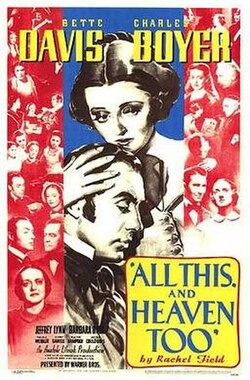
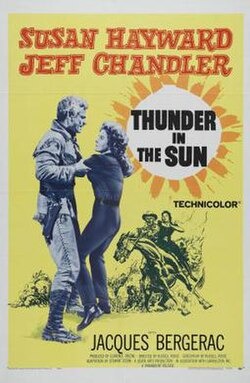
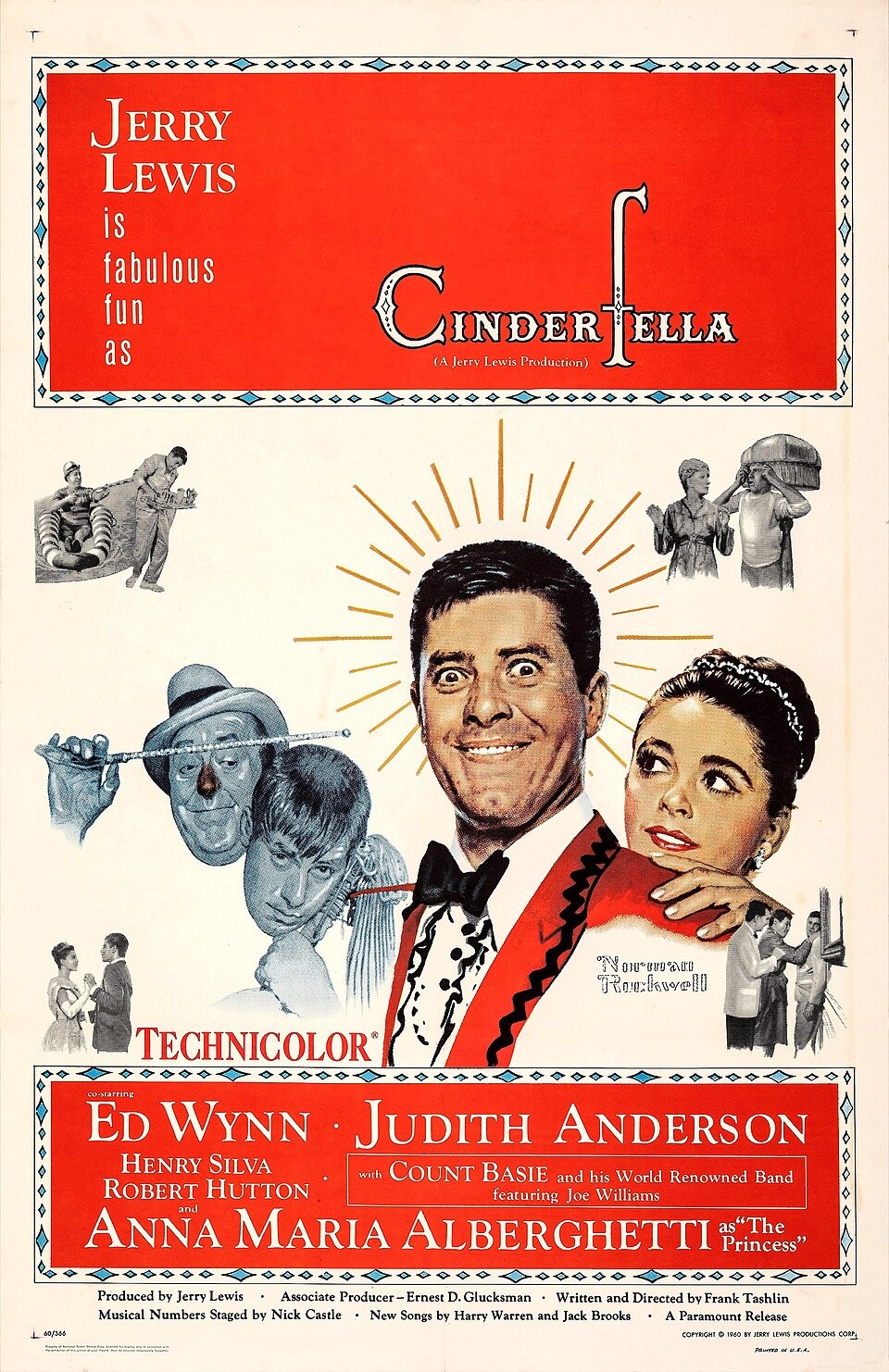
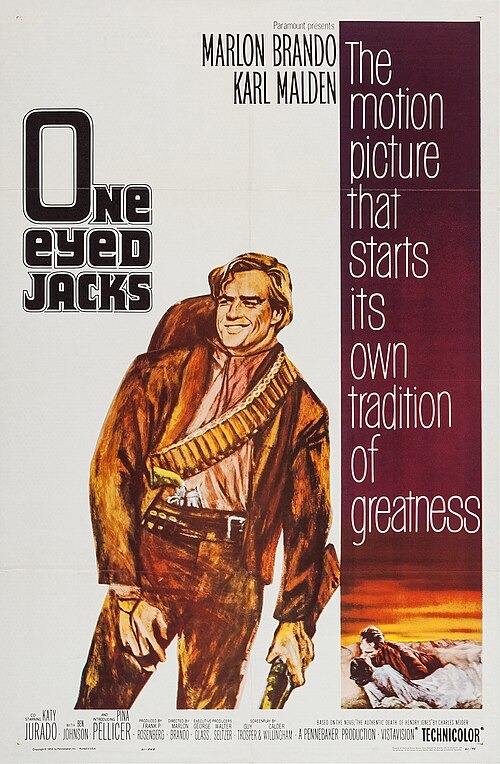
The doors opened with Dick Powell, Ginger Rogers and Pat O'Brien in Twenty Million Sweethearts. For more than seventy years the pictures kept coming. Browse the posters of the films that played 250 Escolta.
See the posters →Press, partners, investors, cast and crew, distributors, or anyone with a Capitol story to share: write to us.
Salamat. Your letter is on its way to Escolta.
We'll reply to the email address you gave us.